
Finite Element Analysis FEA Services
Design Optimisation
Advanced Computational Analysis
Structural and Mechanical Certification
Australian Standards Compliance Verification
All works certified by Chartered Professional Engineers (CPEng)
Request a Quote for your FEA Project
FEA Engineering Services
We deliver advanced Finite Element Analysis (FEA) to solve complex mechanical and structural problems and verify a wide range of industrial equipment.
Every analysis, engineering report, and structural integrity assessment is certified by a Chartered Professional Engineer.
What is FEA?
Finite Element Analysis (FEA) is a computer based method used to simulate and analyse the behaviour of engineering components under a variety of conditions. It is often used in design to reduce or replace experimental testing.
Typically the method involves dividing a structure or component into smaller, more manageable elements (mesh) to reach an approximate solution to the engineering problem at hands.
This numerical technique allows the analyst to solve complex engineering problems that would not be otherwise possible using conventional hand calculations. This deeper level of analysis leads to safer and more robust designs.
FEA can be applied to many different engineering areas. The majority of FEA calculations involve metallic components, just as the majority of industrial components are made of metal.
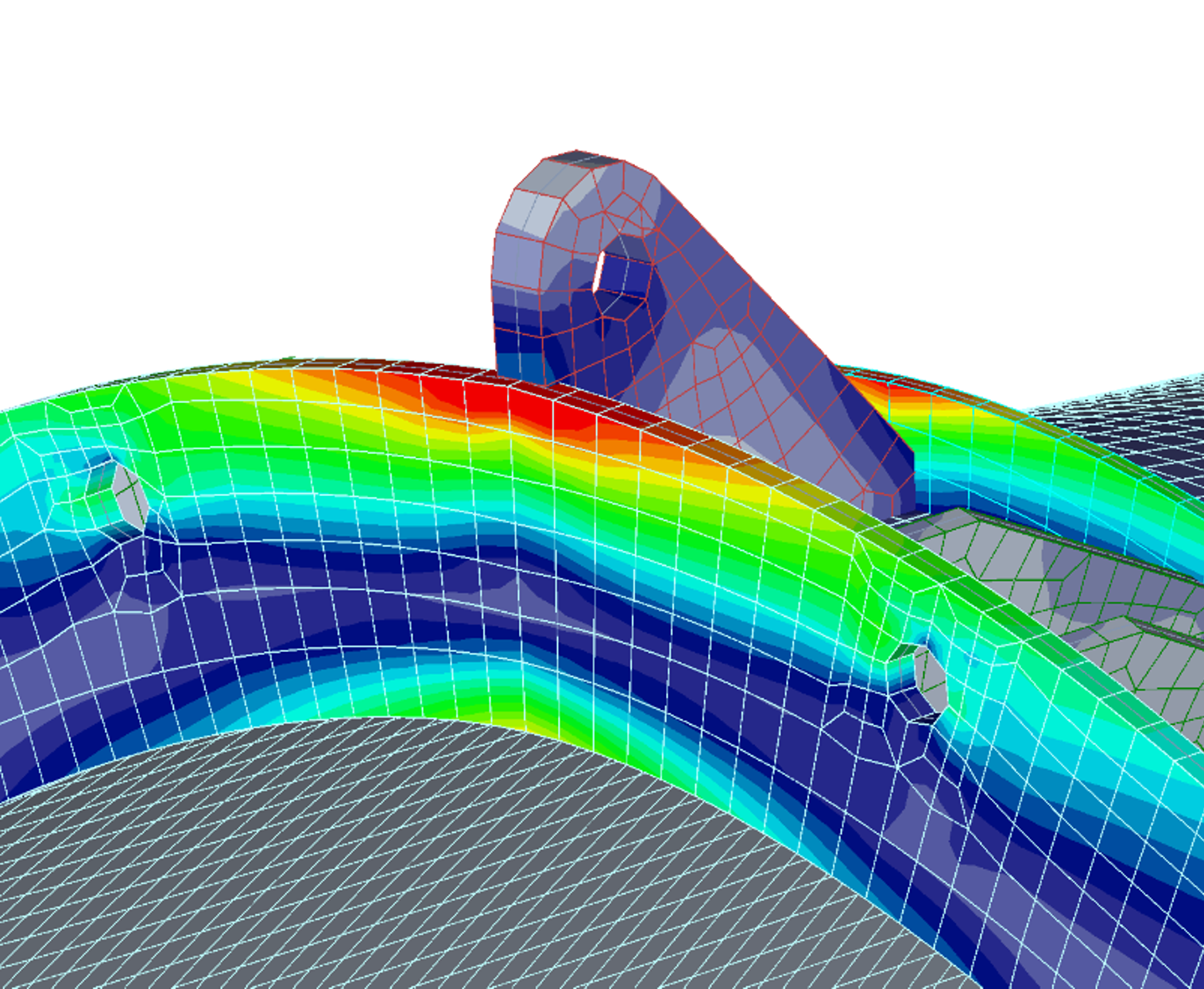
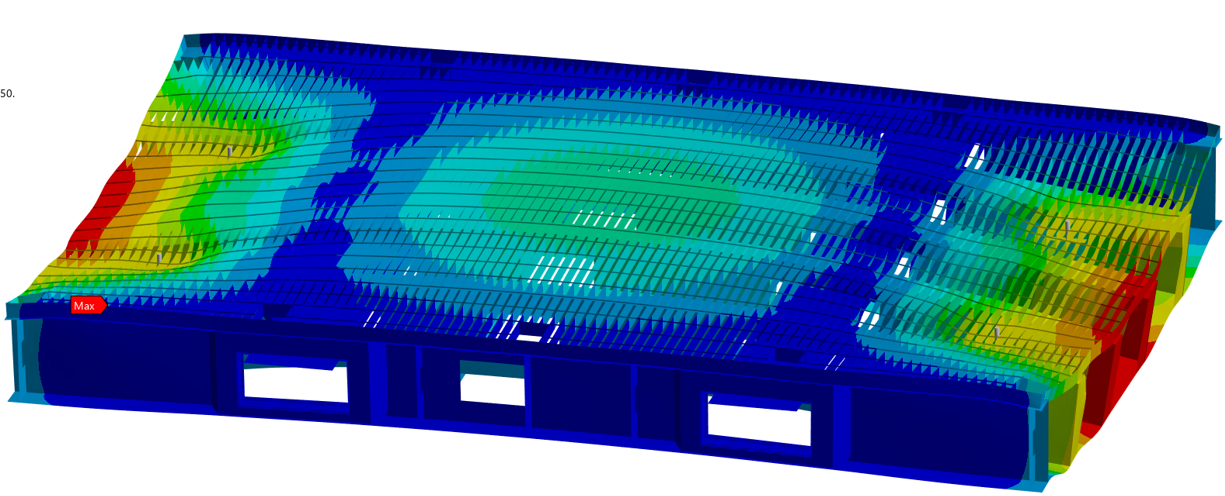
FEA includes the following analysis:
- Linear Static Analysis
- Fatigue Analysis
- Thermal Analysis
- Natural Frequency Analysis
- Vibration Analysis
- Non-linear Analysis
- Buckling Analysis
- Pressure Vessel Studies
- Design Optimisation
Why Do FEA?
FEA plays an important role in the design process and can be used for:
- Strength assessment
- Fitness for purpose assessment
- Demonstration of safety
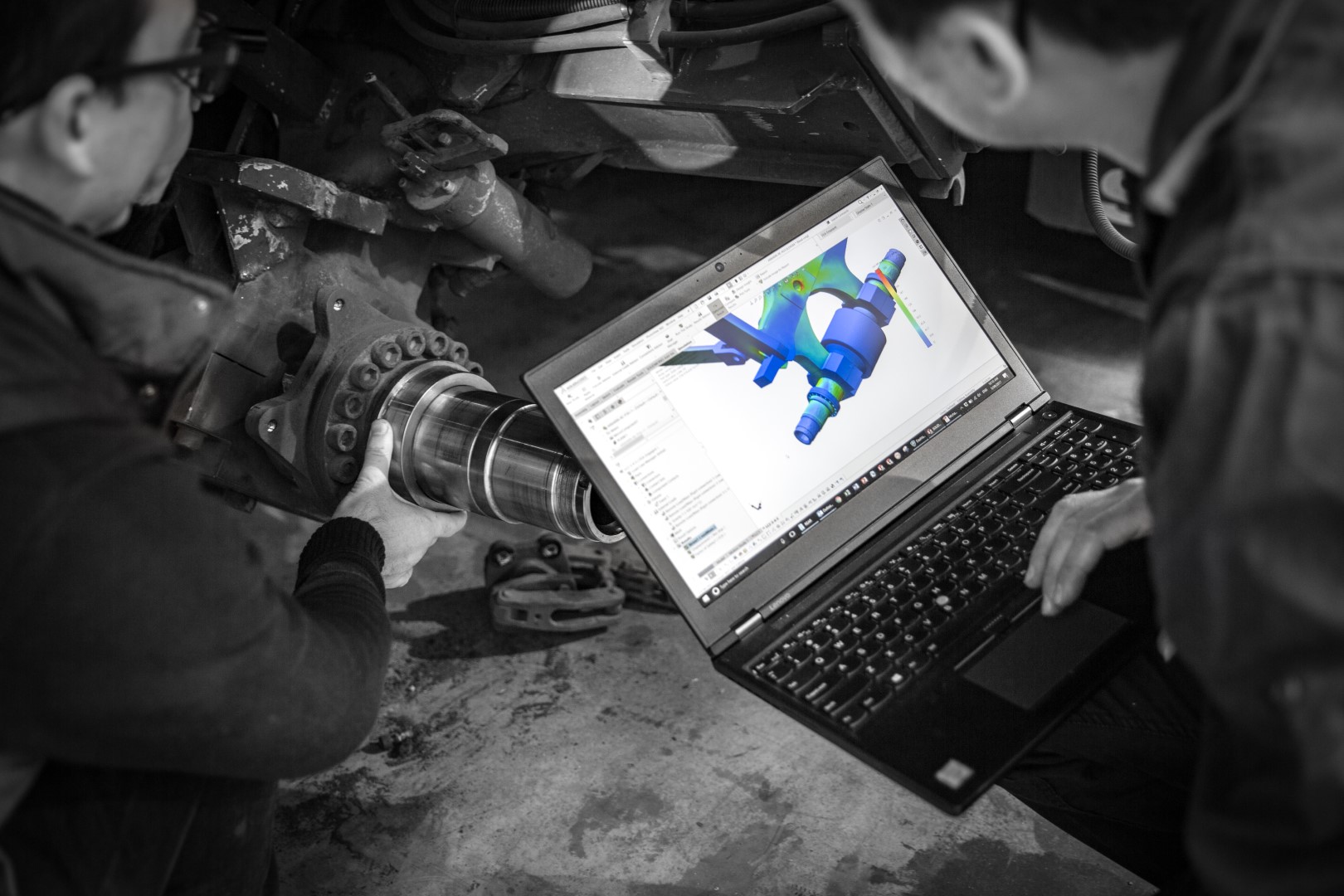
FEA gives a complete insight of the design being analysed. Some of the results that can be obtained from FEA are:
- Stress
- Strain
- Displacement
- Factor of Safety
Who Can Do FEA?
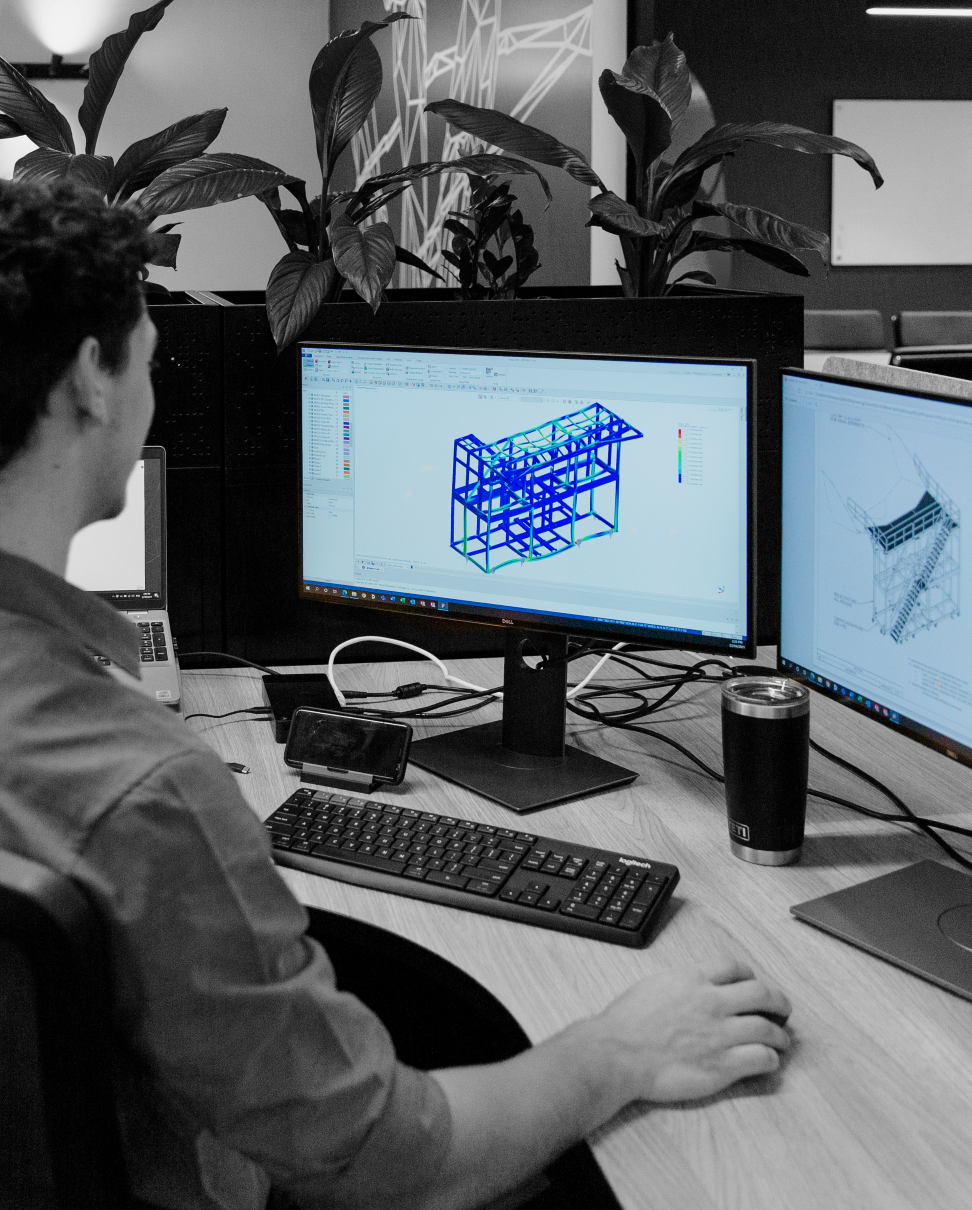
Nowadays, 3D CAD software vendors have made great progress to integrate FEA components within their modelling package and suggest that anyone capable of learning CAD can perform FE based simulation on their products.
However, FEA is still an engineering tool requiring engineering level insight into failure and material characteristics and engineering decision based on the results.
Data reported by a Finite element solution requires interpretation and this is a skill that goes beyond one’s ability to use the software.
A finite element software simply process data to provide a solution. It doesn’t possess any additional insight to suggest alternative options or prompt the user if the inputs are wrong or unrealistic. It will give the user a solution even though the input and initial boundary conditions are incorrect. “Garbage IN-Garbage OUT”
It is therefore important that FEA be conducted by experienced analysts who understand what is happening behind the scene.
FEA Integration In The Design Process
When integrated early in the design process, Finite Element Analysis can provide valuable information and help with decision-making.
Using FEA can help ruling out weak concepts or highlighting weaknesses of a design early in order to avoid costly redesigns.
At Metis D&E, we can use FEA to help you understand your design and give you better insights into your design.
We can highlight behaviours that could not be apprehended or stress concentrations in concealed areas of the structure.
FEA can be used to work out the optimal design to match the project requirements.
This means that multiple design variations (plate thickness, dimensions, etc.) can be tested to determine optimal combinations, avoid overdesign and save money on material costs.

Our FEA Capabilities
Using high-performance FEA solvers and advanced simulation methodology, our engineers are able to represent, simulate and assess complex real world problems.

Linear Analysis
Predicting how a component or structure will deform and where it will experience stress when subjected to steady loads, assuming its behaviour remains within the linear elastic range.

Non-Linear Analysis
Predicting how a component or structure behaves when large deformations, material yielding, contact, or other non-proportional behavior means that a standard linear analysis is no longer accurate.

Fatigue Analysis
Predicting how a structure will respond to repeated or fluctuating loads and estimating where fatigue damage may occur and how many loading cycles it can withstand before failure.
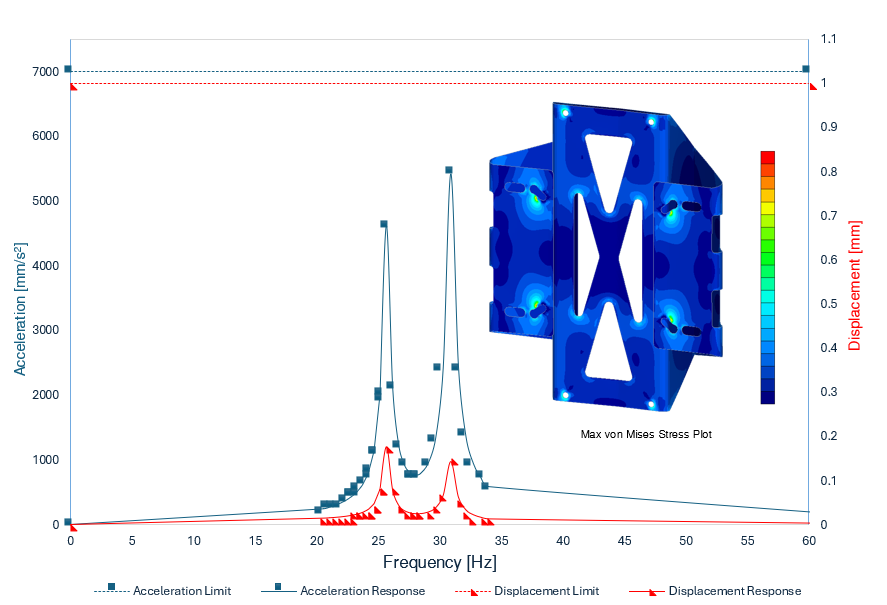
Dynamic Analysis
Predicting how a structure or component responds to loads that change over time, including movement, vibration, acceleration, impact and resonance, and assessing the resulting forces, stresses and deformation.